How Clothing Becomes a Story, and Why Memory Quilts Matter
November 20, 2024 · By Wesley Hall
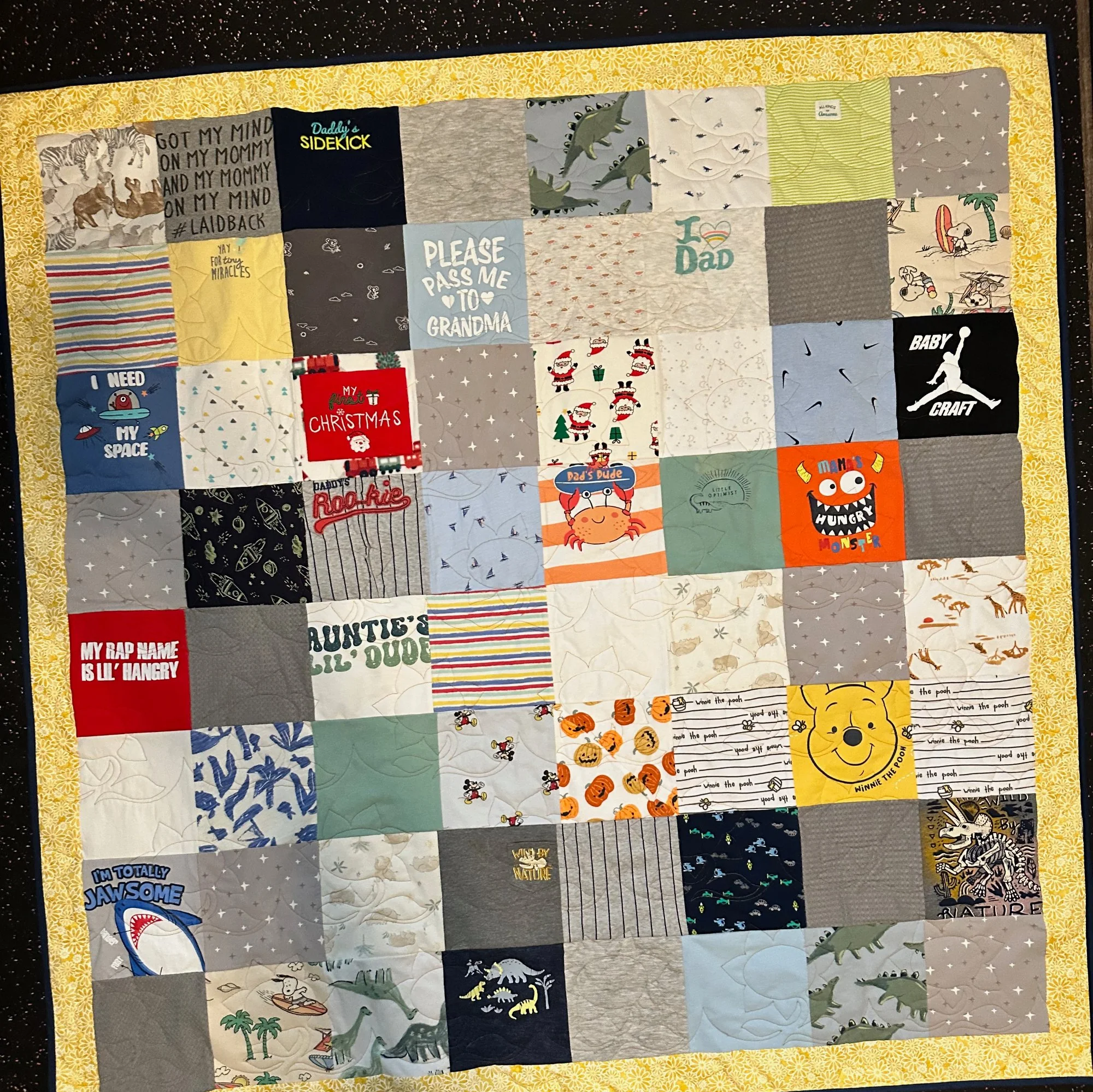
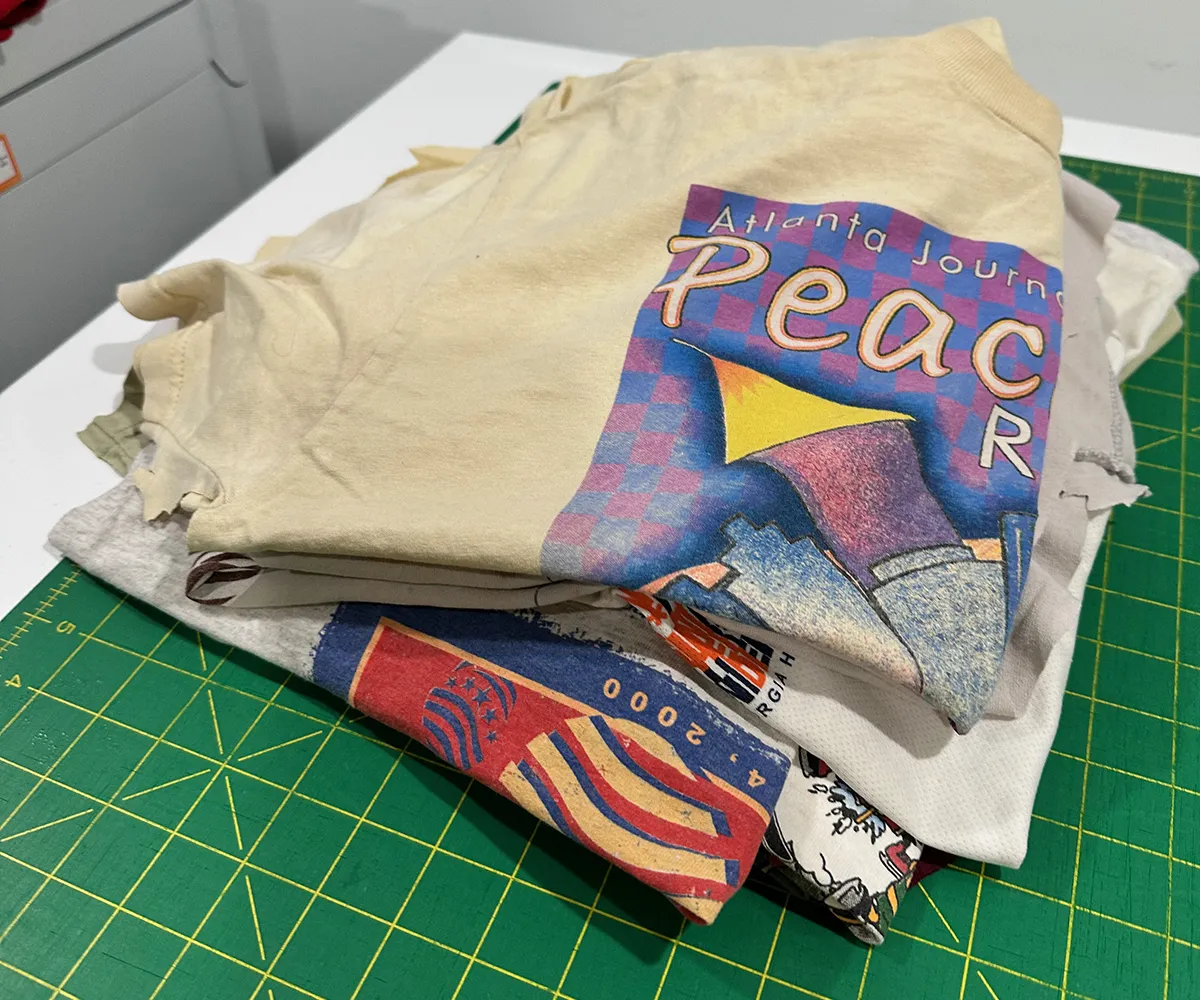
Most people who reach out to me about a memory quilt start the same way. They tell me about a person first, not a pile of clothes. They say: my mother wore this every Sunday. Or: these were his work shirts, the ones he put on every morning for thirty years. Or: she saved every t-shirt from every trip they ever took together.
The clothes are secondary. They are the evidence of something larger, a life, a relationship, a period of time that mattered. The reason those clothes are still in a closet instead of a donation bin is that throwing them away would feel like letting go of the person, the place, or the chapter of life they represent.
That is how clothing becomes a story. And that is the whole reason memory quilts exist.
What Clothing Carries
Fabric holds things in ways that other materials do not. A photograph is static. A video is a performance. But clothing was worn, it has the shape of the person who wore it worked into it over time. The collar of a well-worn dress shirt has the softness of thousands of mornings. The knees of a pair of jeans have the crease of however that person moved through the world.
People talk about this without always naming it. They say a garment still smells like someone. They say they cannot bring themselves to wash it. They say it just feels wrong to get rid of. What they are describing is the way fabric absorbs presence, not metaphorically, but literally. Worn clothing is a record of a body, a life, a pattern of days.
A memory quilt does not remove that. It transforms it. The garment changes form but the fabric is the same fabric. The story is still in it.
What Makes a Memory Quilt Different
There are many ways to memorialize someone or preserve a chapter of life. Photos, shadow boxes, scrapbooks, framed pieces. What separates a quilt from those options is that a quilt is not displayed. It is used.
Clients describe reaching for their memory quilt during specific moments, a cold night, a hard day, a holiday when someone's absence is felt sharply. The quilt does something a framed photo cannot do. It can be held. It provides warmth. It has weight. It is present in the room in a way that participates in daily life rather than observing it from a wall.
One client told me that sleeping under her quilt felt like being tucked in again. That sentence has stayed with me. The quilt did not replace the person she lost. It preserved connection in a form that could still be felt.
The Process Matters
A memory quilt requires intention at every step. Each piece of fabric is cut by hand. Each block is placed deliberately. The layout is designed to reflect the life behind the clothing, not to fill a grid. When you commission a custom memory quilt, you are not paying for fabric and thread alone. You are paying for time, for skill, and for the attention it takes to do this work carefully.
The consultation is where this starts. Before anything is cut, we talk. About the person, the garments, what you want preserved, and how you want the finished quilt to feel. That conversation shapes every decision that follows.
For Families Moving Through Loss
Memory quilts made after a loss occupy a particular place in the work I do. These projects are tender, and I approach them accordingly. There is no rush. The garments are handled with care. Nothing is altered without your knowledge.
What I have seen repeatedly is that a memory quilt allows families to move forward without the feeling that they are leaving someone behind. The clothes do not disappear. They change form and remain part of everyday life, folded at the foot of a bed, pulled out on hard nights, passed eventually to the next generation who will know the person through the fabric.
Grief has no timeline, and a memory quilt respects that. It can be folded away when space is needed and pulled close when comfort is needed. There is no right or wrong way to use it.
Starting the Conversation
If you have been holding onto clothing and not quite knowing what to do with it, that is enough to start. You do not need to know what size, what layout, what style. Bring what you have, or tell me about it, and we will figure out the rest together.
More from the Blog
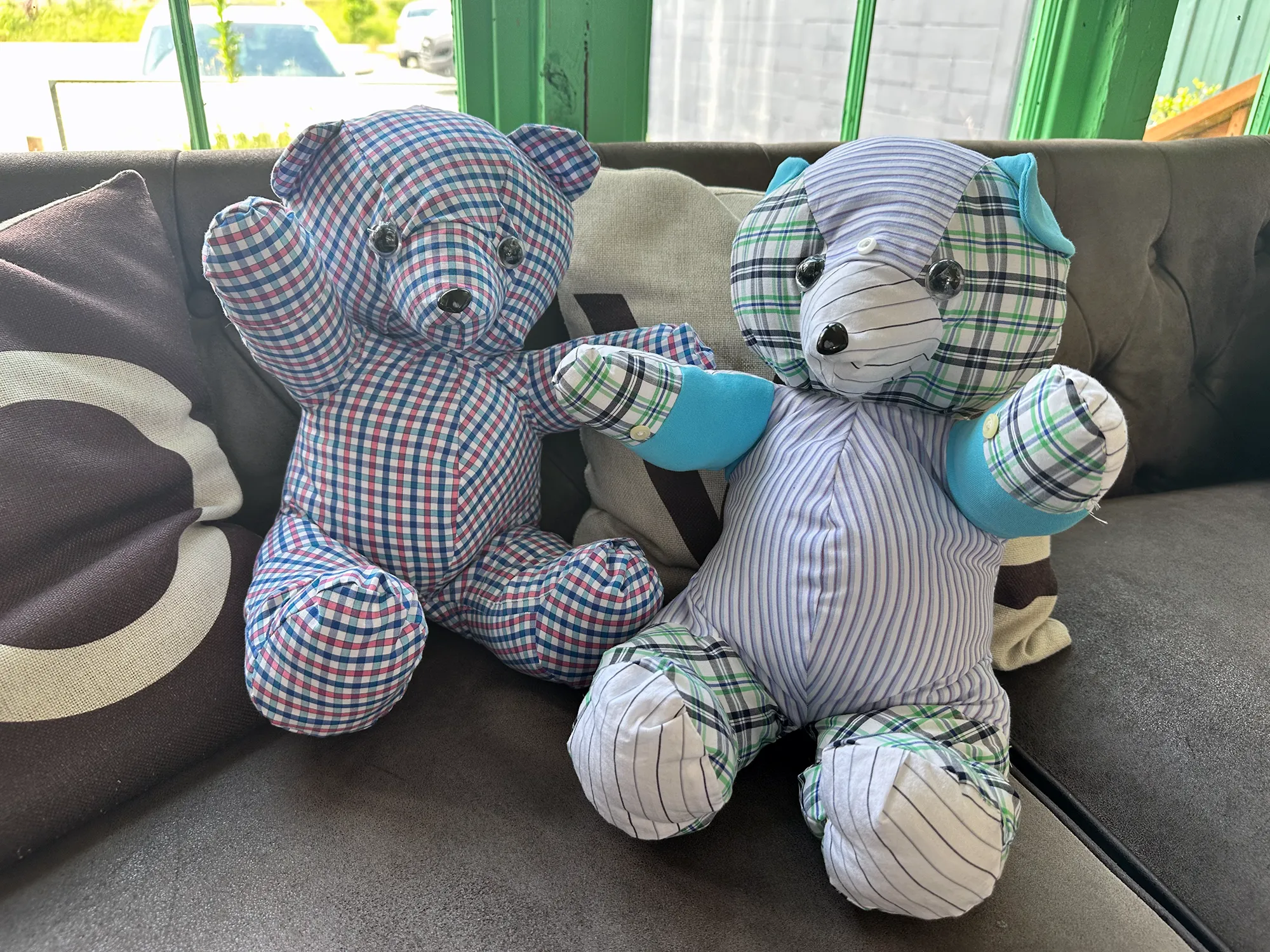
Memory Bears Made from Clothing
A memory bear made from meaningful clothing is something you can hold, display, and pass down. Learn how the process works, what clothing is accepted, and how to get started.

What Is Computerized Longarm Quilting?
Wesley Hall explains what computerized longarm quilting actually does, how it differs from hand quilting, and why Atlanta home quilters send their finished tops to a longarm service.
The Color and Design Principles Behind Every T-Shirt Quilt Layout
Before Wesley sews a single seam, every t-shirt quilt goes through a deliberate design process, color distribution, visual weight, neighbor contrast, and more. Here's exactly how it works.
The Clothes Are Still Waiting
Schedule a free consultation. Tell me about the person and the garments. We will figure out the rest together.