
African American Quilt Traditions and the Legend of the Underground Railroad Quilts
November 10, 2023 · By Wesley Hall
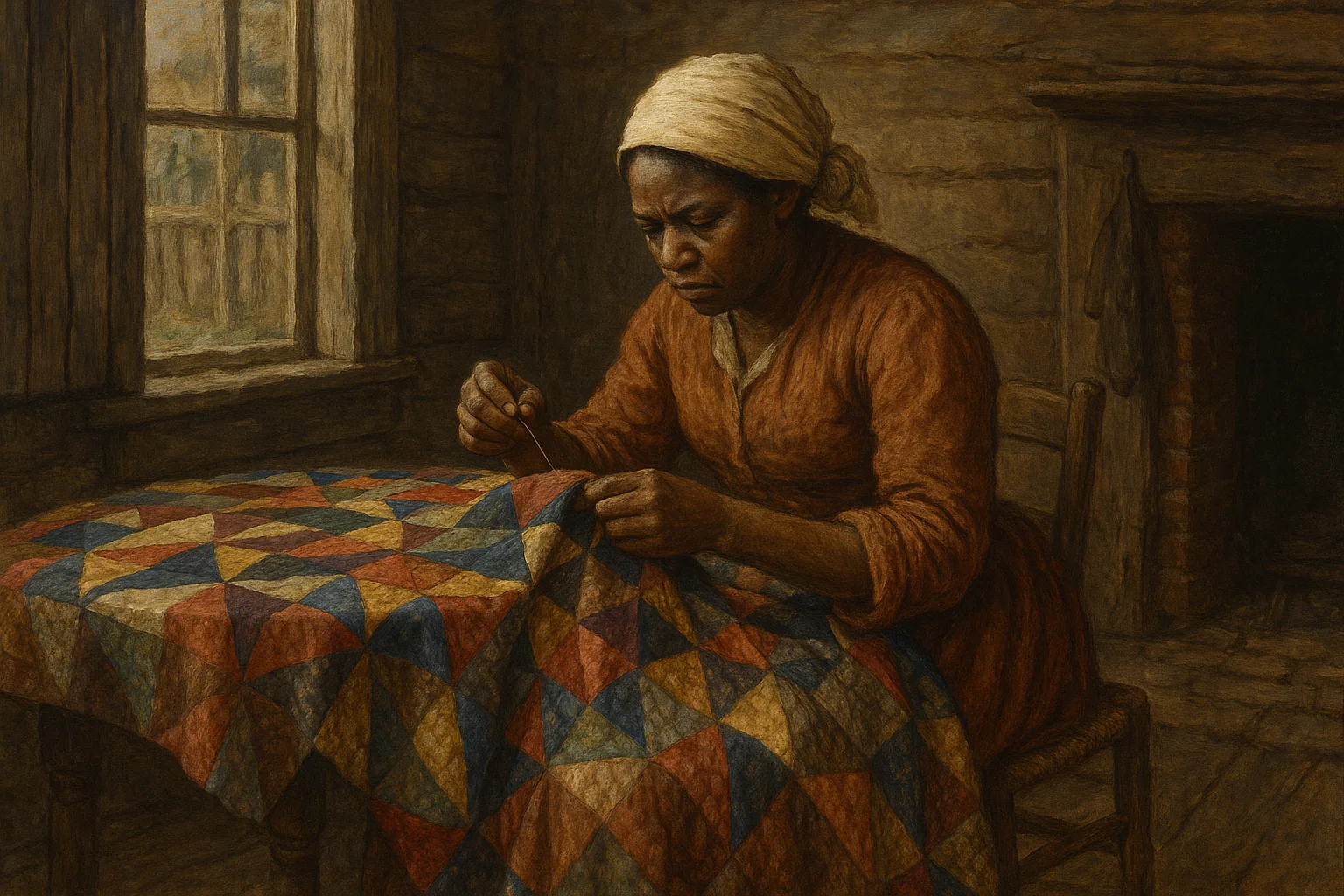
 There is a quote from Anne Lamott I keep returning to: "We
stitch together quilts of meaning to keep us warm and safe,
with whatever patches of beauty and utility we have on hand."
For African American quilters across generations, that truth
runs deeper than metaphor. Our quilts have always been more
than bedding. They are living archives of history, creativity,
resistance, and love.
There is a quote from Anne Lamott I keep returning to: "We
stitch together quilts of meaning to keep us warm and safe,
with whatever patches of beauty and utility we have on hand."
For African American quilters across generations, that truth
runs deeper than metaphor. Our quilts have always been more
than bedding. They are living archives of history, creativity,
resistance, and love.Where the Tradition Begins
When enslaved Africans were brought to America, they carried textile traditions from their homelands. Those traditions adapted, survived, and flourished under conditions designed to erase them.
Kente cloth, originating with the Ashanti people of Ghana, is woven in narrow strips and sewn together, a technique that directly influenced what became known as strip quilting in African American communities. Adinkra symbols from Ghana embed meaning within visual patterns, a concept that would echo through generations of quilters who understood that fabric could carry more than warmth. Both traditions brought an aesthetic sensibility rooted in bold colors, asymmetrical patterns, large graphic shapes, and improvisation, qualities that show up unmistakably in African American quilting from the antebellum period through today.
Enslaved women pieced quilts from whatever scraps were available. Necessity demanded creativity. But the quilts they made were not merely functional. They reflected aesthetic choices, community values, and an insistence on beauty under circumstances that denied almost everything else.
The Legend of the Quilt Codes
The most widely known chapter of African American quilt history is the claim that specific quilt patterns were used as a coded communication system along the Underground Railroad, a series of signals hung on fences or clotheslines to guide freedom seekers north.
The story became widely known through the 1999 book Hidden in Plain View by Jacqueline Tobin and Raymond Dobard, which drew on oral history from quilter Ozella McDaniel Williams. The described sequence, Monkey Wrench, Bear Paw, Flying Geese, North Star, each carrying specific instructions for escape, spread rapidly through classrooms, museums, and quilting communities.
I want to be direct about something the authors themselves acknowledged: the code is oral tradition, not documented historical record. Historians at the National Park Service, the International Quilt Museum, and independent quilt scholars have searched the period record, letters, diaries, WPA narratives, newspaper accounts, and have not found contemporary sources confirming a coordinated quilt signal system. Other forms of coded communication from this era are well-documented: songs, spirituals, verbal networks. The quilts, specifically, are not.
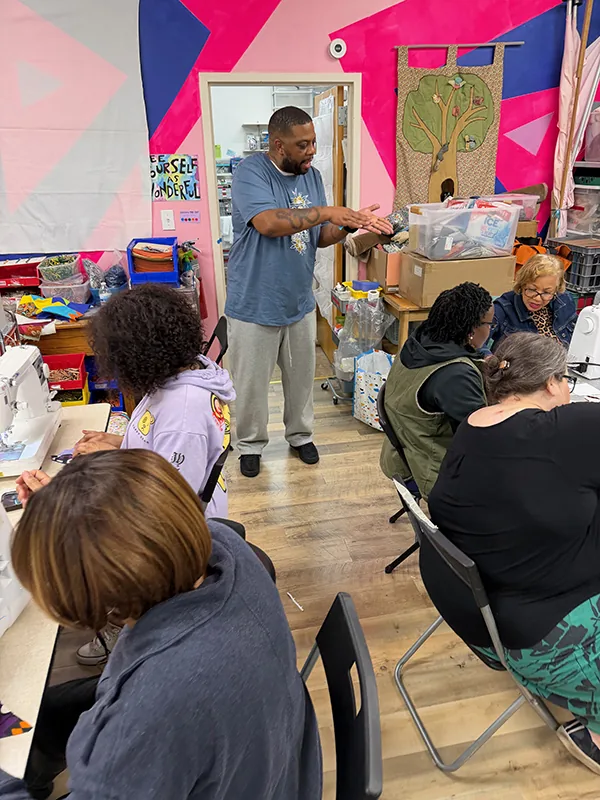
This does not make the story meaningless. Oral tradition carries real weight, and the image of quilts as tools of resistance speaks to something true about the craft's role in African American life, even if the specific mechanism described cannot be verified. When we made quilts at the Block Party inspired by these patterns, we framed them as contemporary tributes to that spirit, not reproductions of a proven historical system.
The Four Blocks We Worked With
For the Block Party at CreateATL, we focused on four patterns associated with the legend. Each one has its own symbolism worth exploring regardless of the code debate.
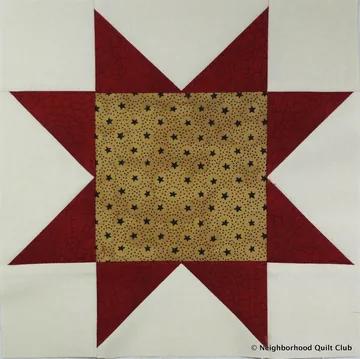 North Star: points to Polaris, the fixed
point in the northern sky that travelers moving by night
could navigate by. "Follow the Drinking Gourd" was the
instruction, the Big Dipper pointing the way. The block
represents direction and constancy when everything else
is uncertain.
North Star: points to Polaris, the fixed
point in the northern sky that travelers moving by night
could navigate by. "Follow the Drinking Gourd" was the
instruction, the Big Dipper pointing the way. The block
represents direction and constancy when everything else
is uncertain.
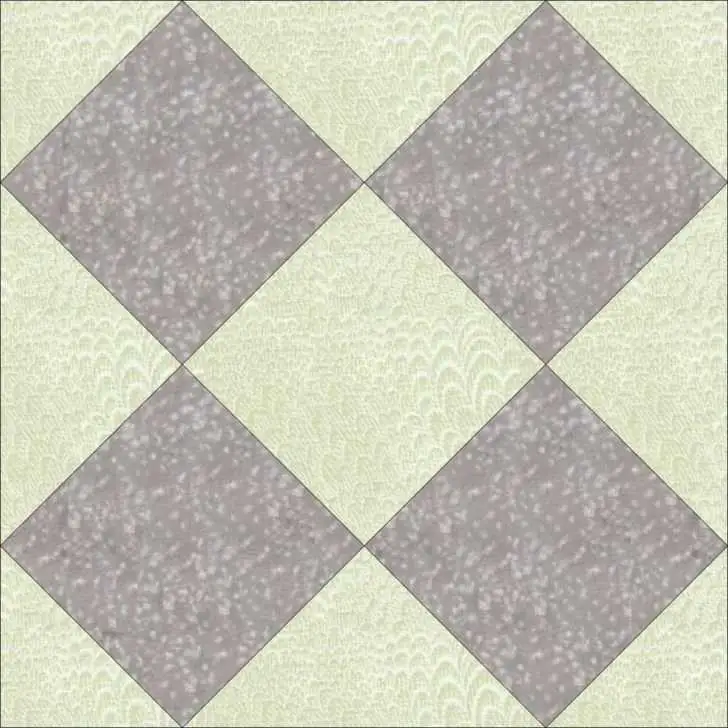 Crossroads: a plus or cross shape,
was said to signal Cleveland, Ohio, where freedom seekers
faced a real decision: continue north to Canada for legal
protection, or try to settle in a northern free state.
Crossroads: a plus or cross shape,
was said to signal Cleveland, Ohio, where freedom seekers
faced a real decision: continue north to Canada for legal
protection, or try to settle in a northern free state.
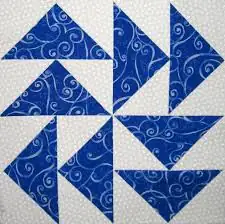 Flying Geese: indicated both direction and timing. Real geese migrate north in spring, so the pattern might signal: follow the geese, go north.
The pattern consists of triangles arranged in a row, looking like a flock of birds in flight. It's one of the most versatile patterns in quilting,
used in borders, sashing, and as complete blocks.
Flying Geese: indicated both direction and timing. Real geese migrate north in spring, so the pattern might signal: follow the geese, go north.
The pattern consists of triangles arranged in a row, looking like a flock of birds in flight. It's one of the most versatile patterns in quilting,
used in borders, sashing, and as complete blocks.
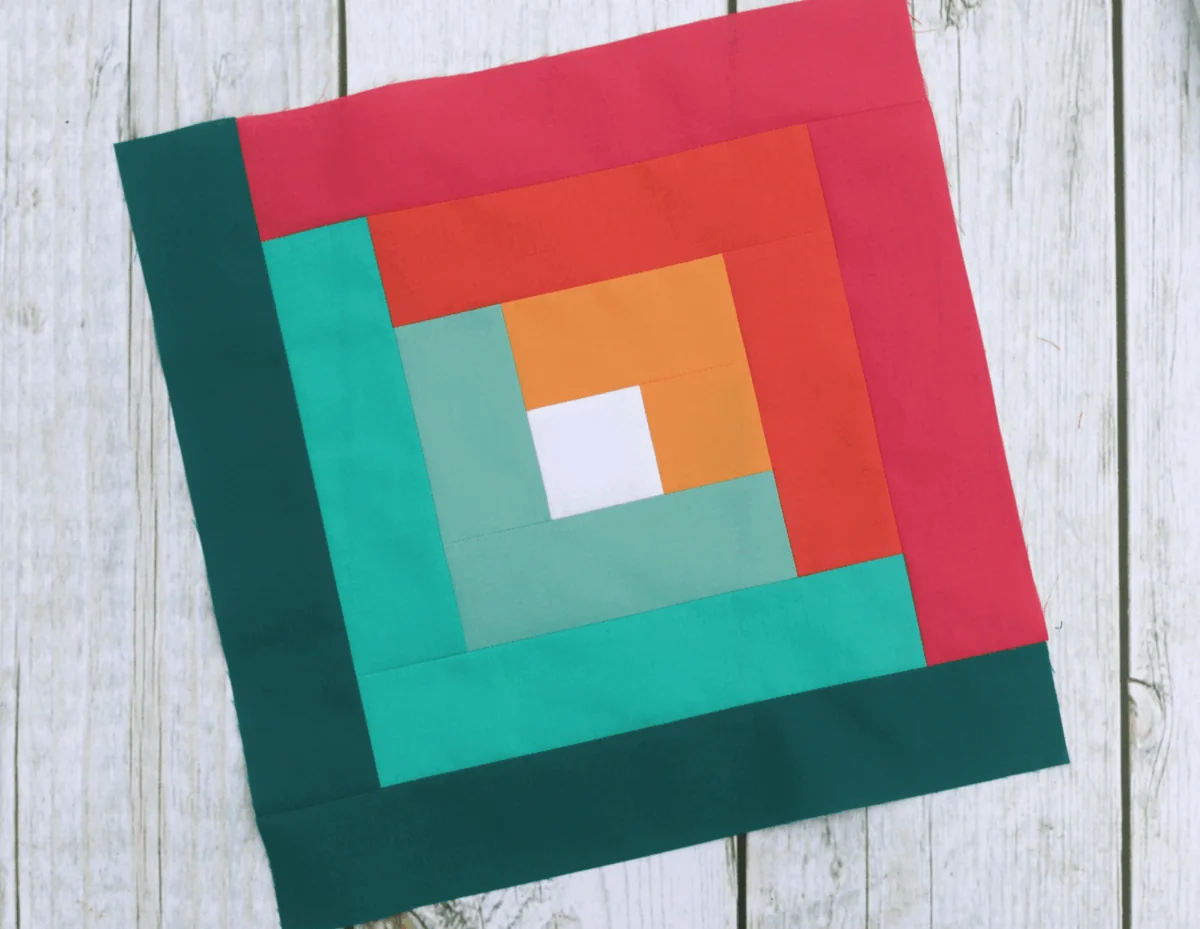 Log Cabin: builds strips around a central
square. The red center traditionally represents the hearth, the heart of home. A black center was said to mark a
safe house. Whatever its historical use, the Log Cabin
speaks to shelter, warmth, and the idea of a place
where someone is safe.
Log Cabin: builds strips around a central
square. The red center traditionally represents the hearth, the heart of home. A black center was said to mark a
safe house. Whatever its historical use, the Log Cabin
speaks to shelter, warmth, and the idea of a place
where someone is safe.
The Tradition Today
African American quilting is not a relic. It is a living practice carried forward by working quilters, community organizers, museum educators, and families who keep their grandmother's quilts on the bed rather than in storage.
The Gee's Bend quilters of Alabama, whose work hangs in major museums, demonstrate what this tradition looks like when it develops without interruption across generations. Their improvisational, architecturally bold quilts do not look like European American quilting traditions, because they come from somewhere different. They are the clearest visible proof that African American quilting is its own aesthetic lineage, not a variation on someone else's.
When I build quilts in my studio, I am working inside this tradition. The materials are different and the clients are contemporary, but the function, preserving what matters, honoring the people those materials belonged to, is the same thing quilters in this community have always been doing.
If you want to talk about a quilt that engages with this history, through block choice, fabric selection, or both, reach out.
Quilts Rooted in Tradition
Schedule a free consultation. We can talk about fabric, block choices, and building a quilt that carries something forward.