
Ten Iconic Symbols in African Print Fabric
August 5, 2024 · By Wesley Hall
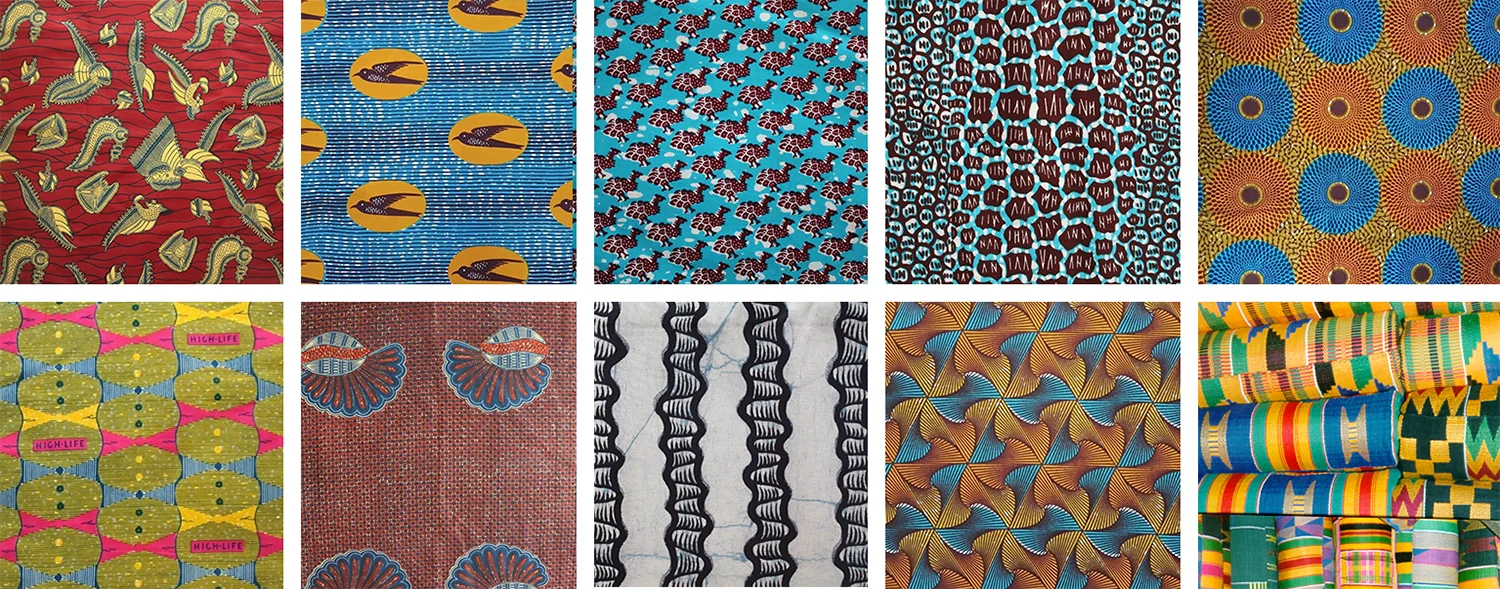
African print fabric carries more than color. Every pattern in the Ankara and wax print tradition was developed inside a culture — shaped by a community's beliefs, by the names people gave their experiences, and by the values they wanted to pass forward. When I work with these fabrics, I am not just selecting something visually striking. I am making a choice about what the quilt will say.
The meanings I share here come from a combination of research, community knowledge, and years of conversations with clients who have brought these fabrics to my studio. Many interpretations have been passed down through oral tradition rather than any single written source. There are hundreds of African print styles — this post covers ten that I find particularly meaningful and that show up most often in my work.
1. Kente
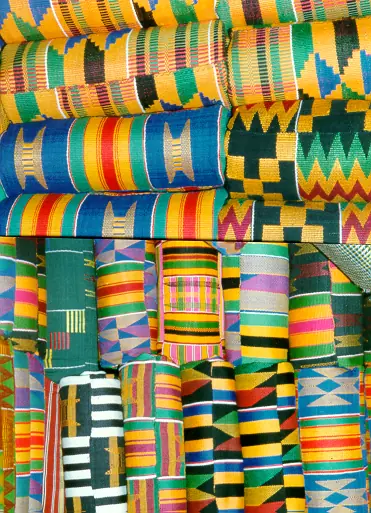
Each color in Kente carries meaning. Gold represents royalty and prosperity. Blue stands for peace and love. Green reflects growth and renewal. Black signifies spiritual strength and maturity. The patterns themselves are named and connected to proverbs, historical events, or traditional beliefs. Kente is worn during important moments — weddings, graduations, ceremonies that mark transition or achievement.
When a client brings Kente into a quilt project, it is almost always tied to a milestone. That is exactly what the fabric was made for.
2. Crevette
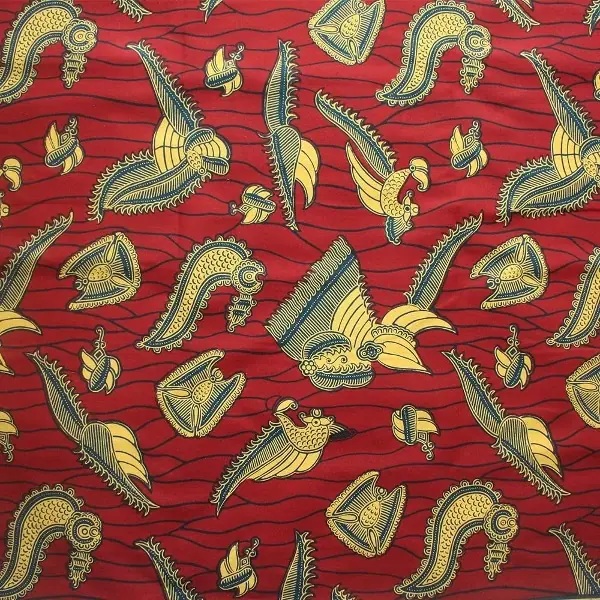
I reach for Crevette when I am building a quilt for someone who has demonstrated real strength through change — a career pivot, a move, a loss navigated quietly and with dignity. The curve of the pattern feels right for those stories.
3. Sika Wo Antaban
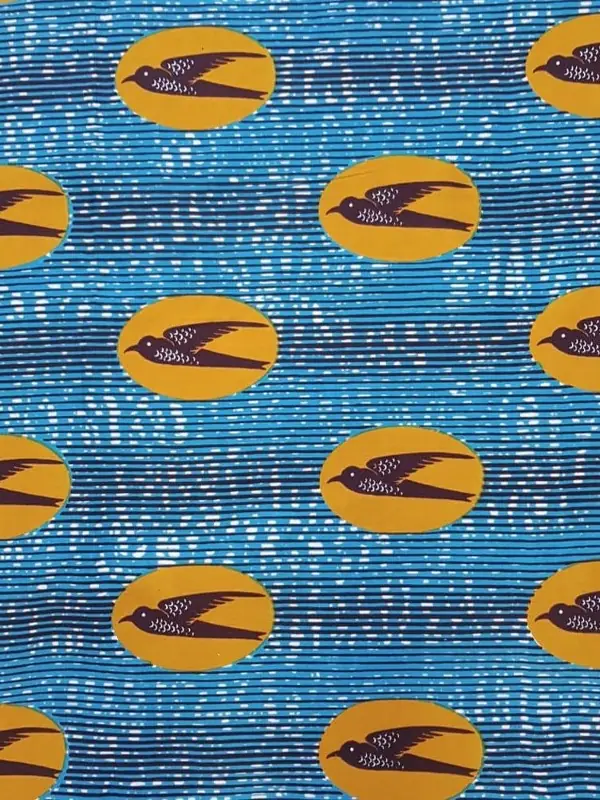
I use Sika Wo Antaban to honor people who worked hard, gave freely, and understood that what you leave behind matters more than what you held onto.
4. Guineafowl
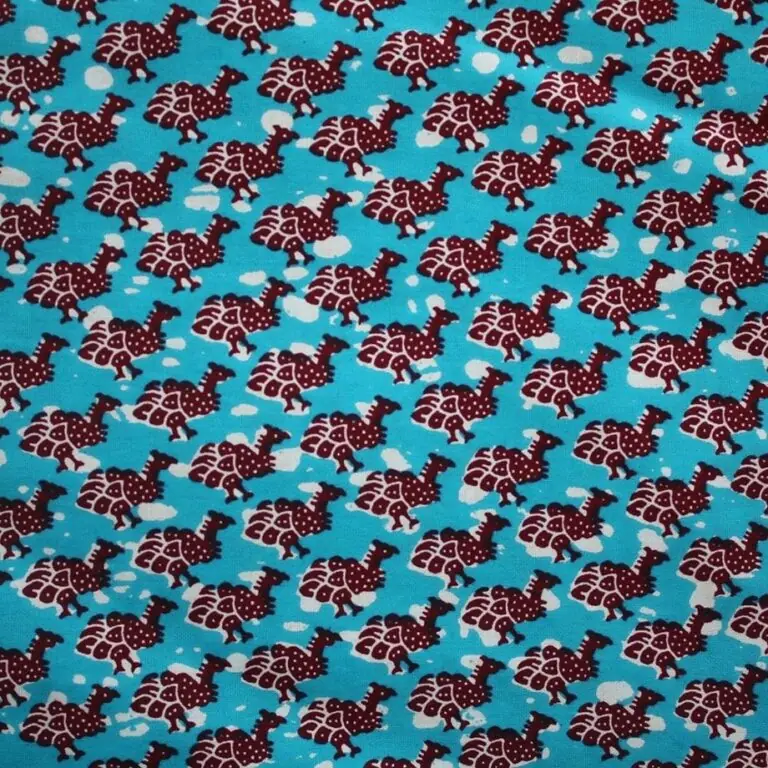
I use this print to celebrate family, protection, and legacy. It is a natural choice for quilts made to honor matriarchs and patriarchs — people who spent their lives watching out for everyone else.
5. Nsubra
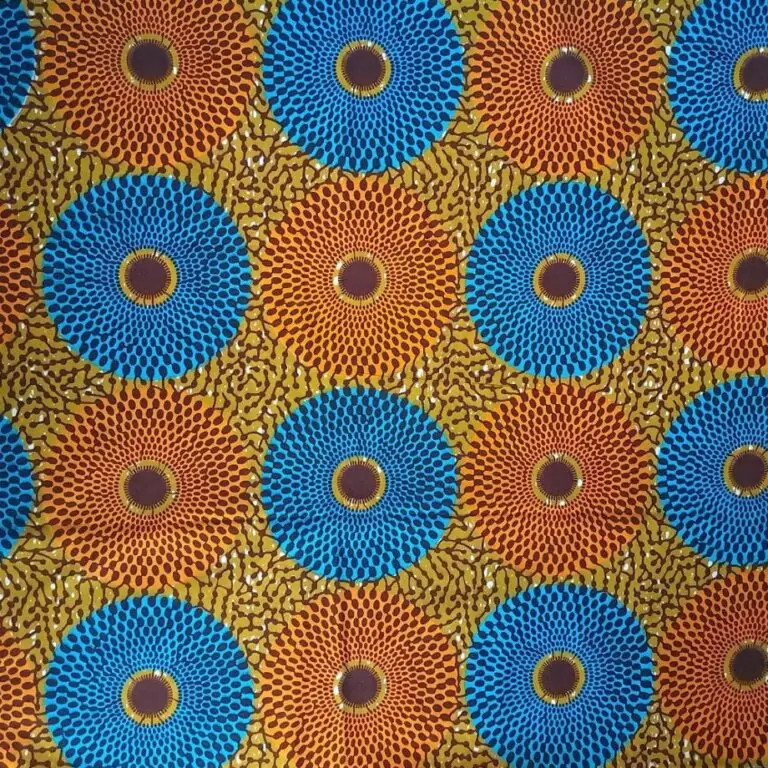
The design often features circular or ripple-like shapes echoing the surface of water. I use Nsubra to honor people known for their generosity — the ones who always had something to offer, whose presence made everyone around them steadier.
6. Highlife
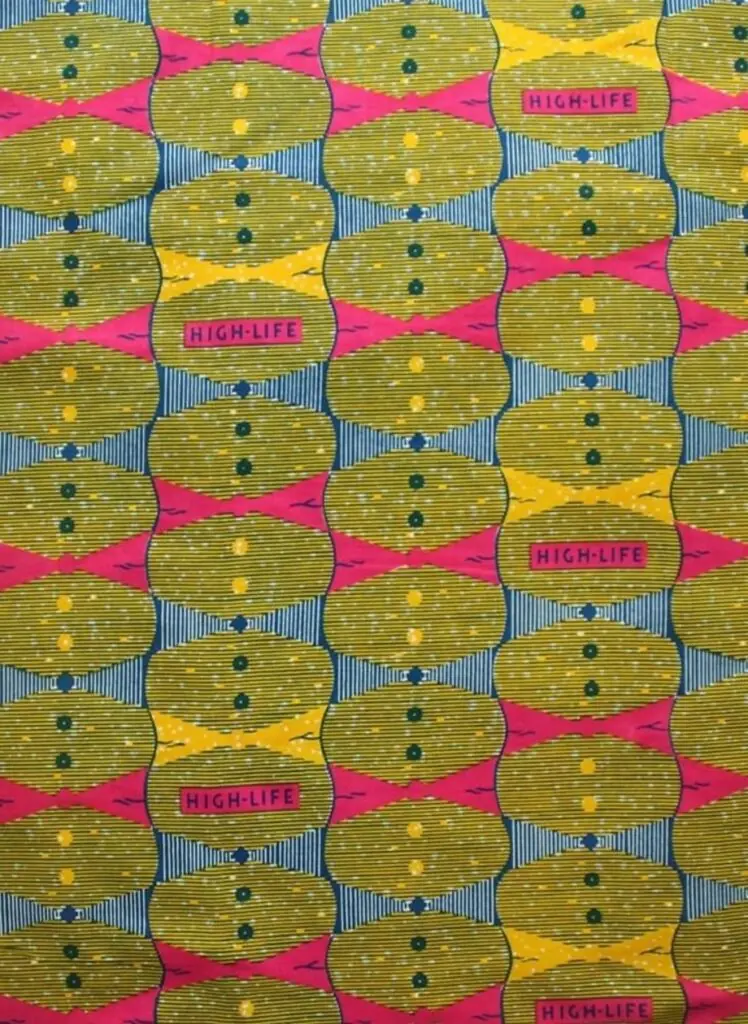
I use Highlife for quilts that mark achievements like graduations, promotions, milestones that deserve to be announced loudly. The fabric itself has the energy of a room full of people celebrating something real.
7. Sugarcane
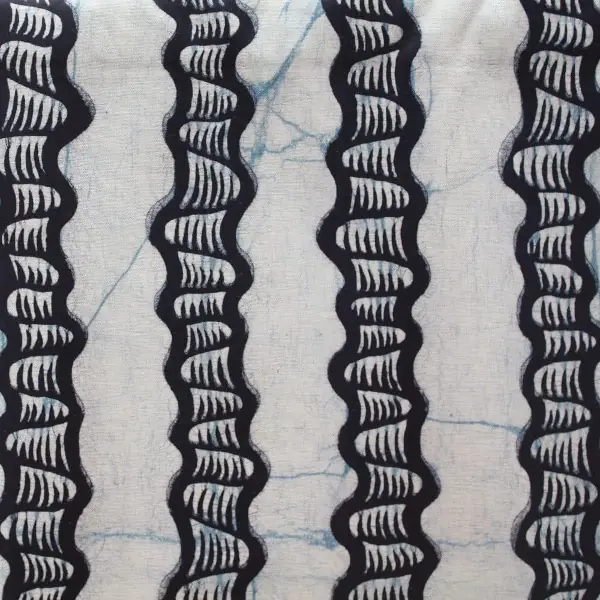
I use sugarcane to honor someone who worked hard for their family, overcame adversity, or lived a life marked by quiet strength.
8. Santana
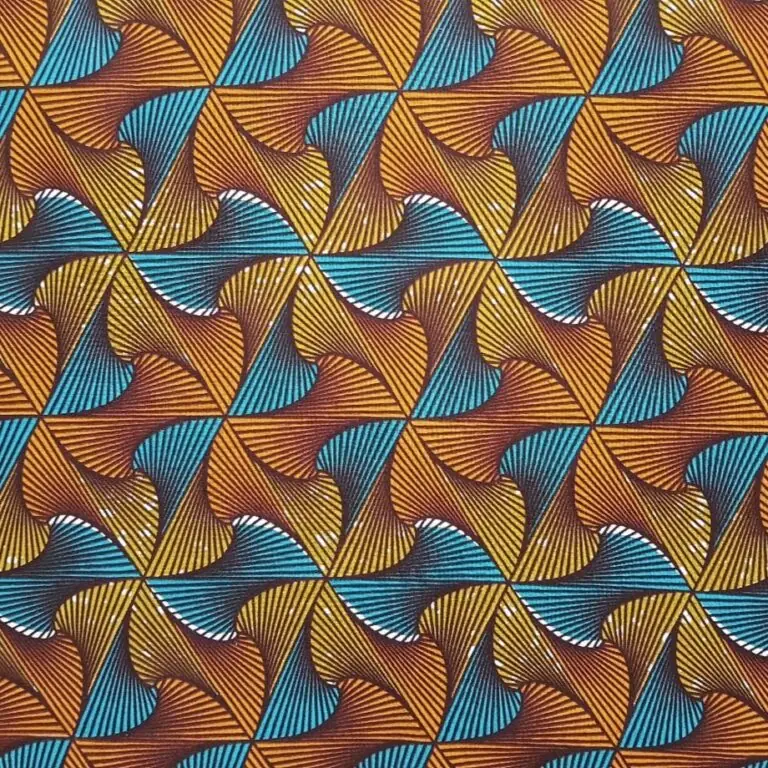
Including Santana in a quilt is a way to honor the full range of emotion, from devotion to heartbreak, and to give space to the stories that aren't always easy to tell, but deserve to be remembered.
9. Kwadusa
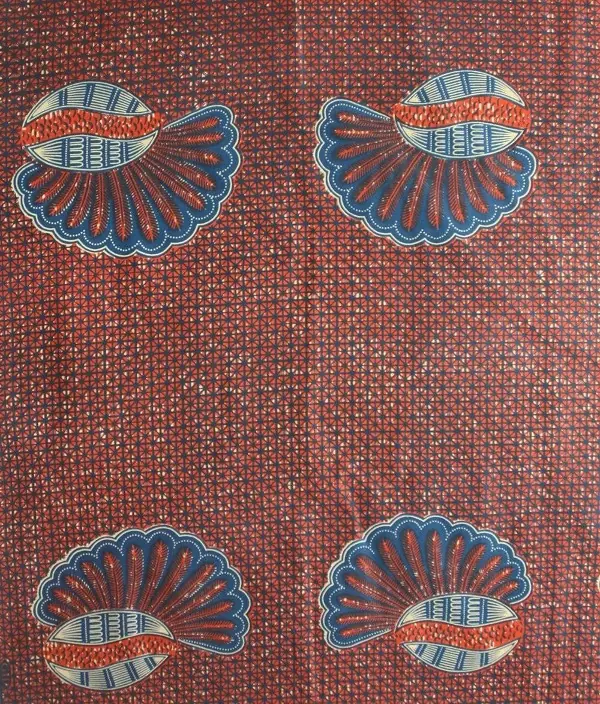
I use Kwadusa fabric to celebrate stories of growth, generosity, and the strength of family ties. It is significant in memory quilts that honor people who provided for others or held families together.
10. Efie Mmosea
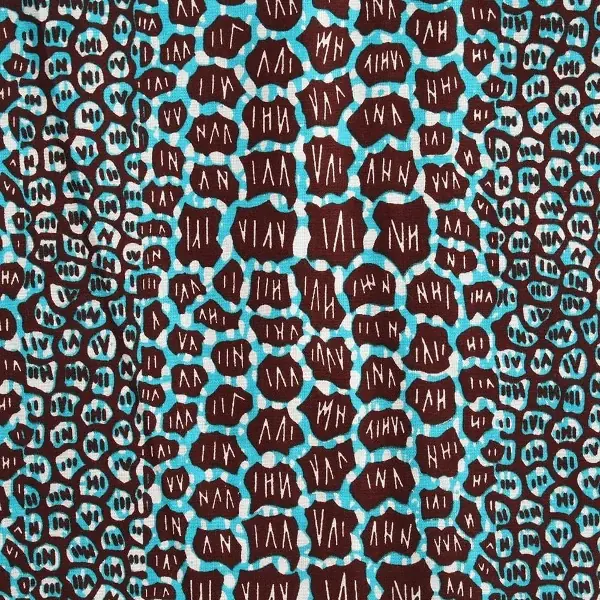
I may use it to honor someone who endured complex family dynamics or to acknowledge the complexity of love and pain within a household.
What This Means in a Quilt
Choosing a fabric is a design decision, but it is also a statement. When I build a quilt with African print fabric, the client and I talk about what each pattern carries before anything is cut. The finished quilt is not just something beautiful to look at, it is a document of what we chose to say.
If you have African print fabric you want incorporated into a quilt, or if you want to build something that draws on this tradition, reach out. These are some of my favorite projects to work through.
More from the Blog
The Meaning Behind Popular Quilt Blocks
From the Flying Geese to the Log Cabin, every quilt block has a history. These patterns carry stories passed down through generations of American quilters.
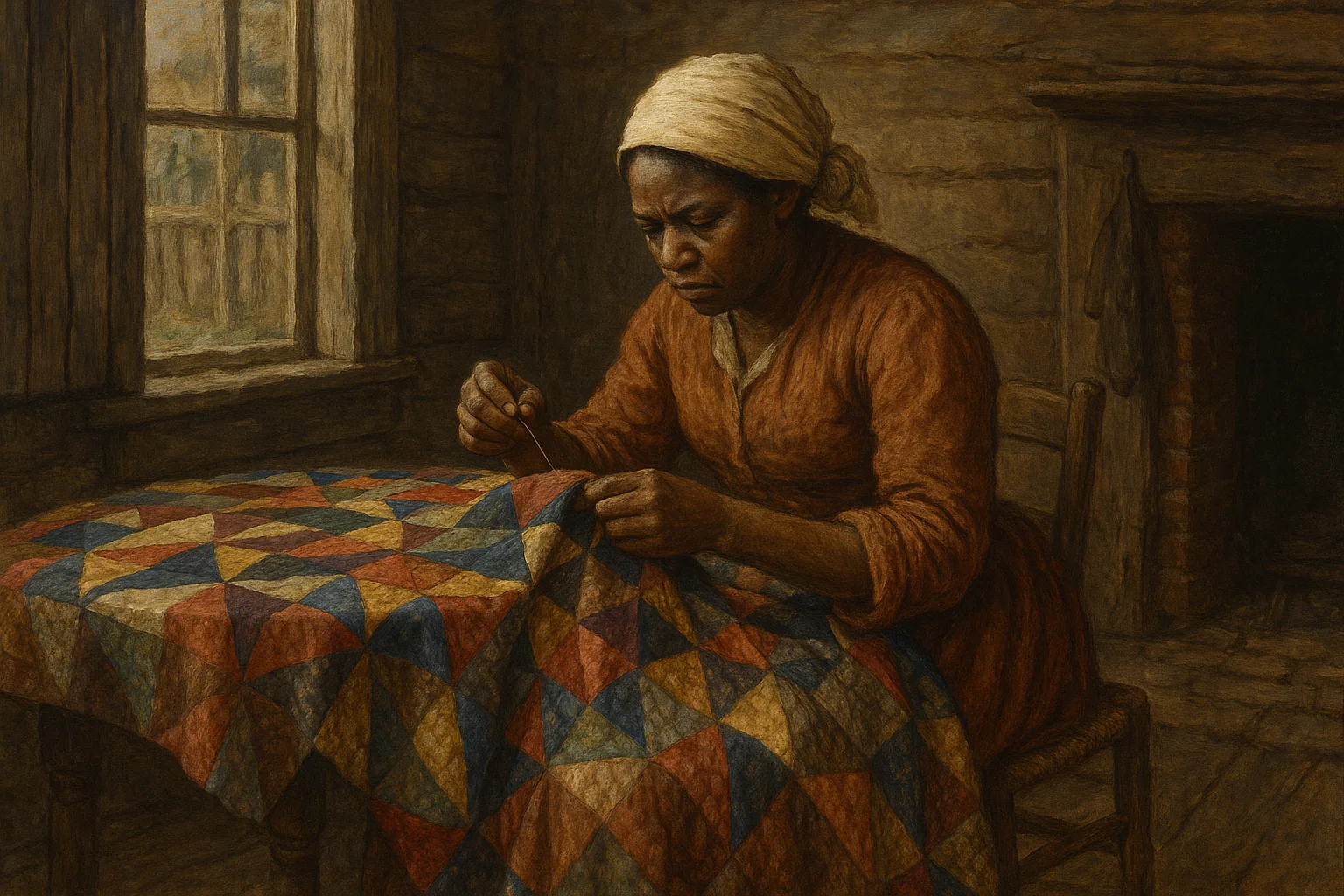
African American Quilt Traditions and the Legend of the Underground Railroad Quilts
African American quilting is a tradition of creativity, necessity, and resistance. This post explores the rich history behind the craft and the community that shaped it.
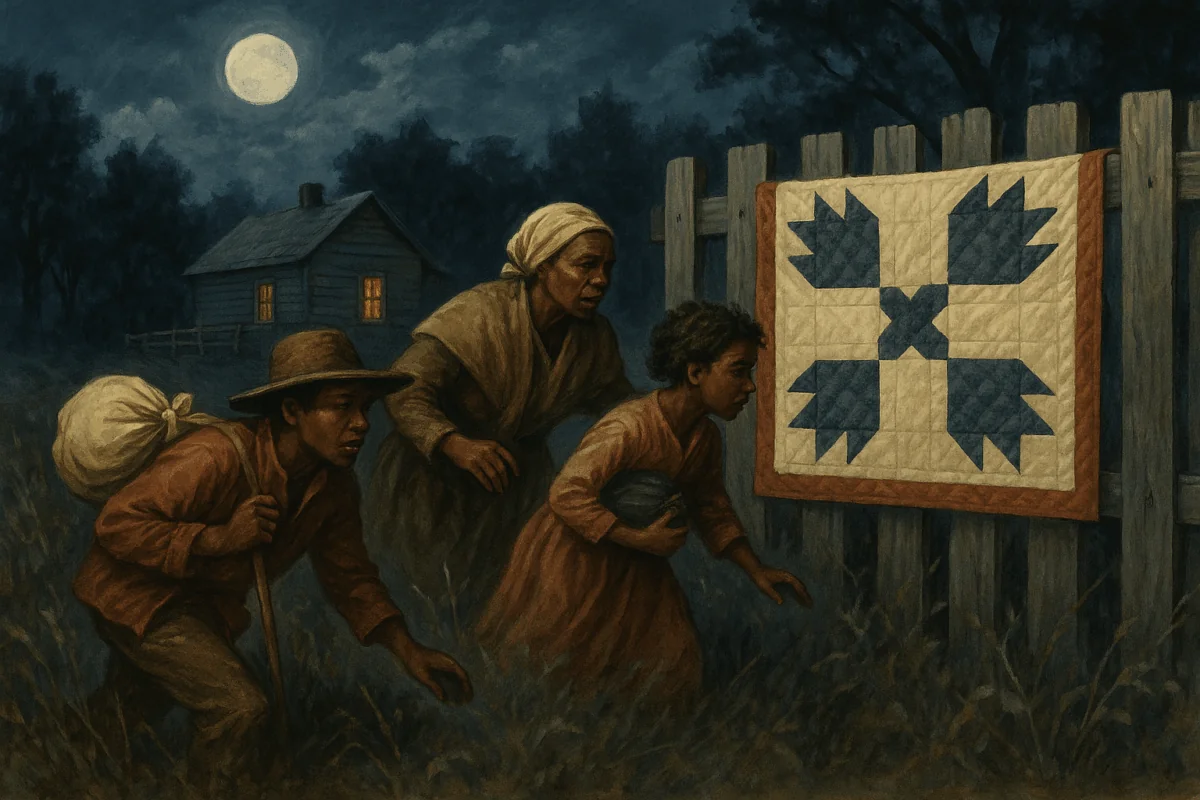
Underground Railroad Quilt Patterns and Their Stories
The theory that quilts guided freedom seekers north is one of the most powerful stories in American quilt history. Here is what the research actually shows.
Want African Print Fabric in Your Quilt?
Schedule a free consultation. We can talk through the fabric, the meaning you want to carry, and what the finished quilt will say.