

Why I Built SewTracker: A Quilter’s Solution to the Spreadsheet Problem

A photorealistic editorial photograph of a bright, modern sewing studio. A white desk in the foreground holds a laptop on a stand, a neat stack of folded fabrics in purple, teal, and gold, scissors, and a rotary cutter. Behind it, shelves are filled with bolts of color-coordinated fabrics. A chair with a geometric quilt is draped next to the shelves. Sunlight streams through large windows on the left. The overall feel is organized and creative.

I have been quilting professionally for over ten years. In that time, I have turned hundreds of cherished clothing items into memory quilts, pillows, and bears for customers. I love the creative work. What I did not love was the paperwork.

If you are a quilter who takes custom orders, you probably know exactly what I mean. The sticky notes on your sewing table. The spreadsheet with 47 tabs. The text messages you forgot to answer. The invoice you scribbled on the back of an envelope. Sound familiar?

This is why I built SewTracker.

Continue reading “Why I Built SewTracker: A Quilter’s Solution to the Spreadsheet Problem”
African American Quilt Traditions and the Legend of the Underground Railroad Quilts

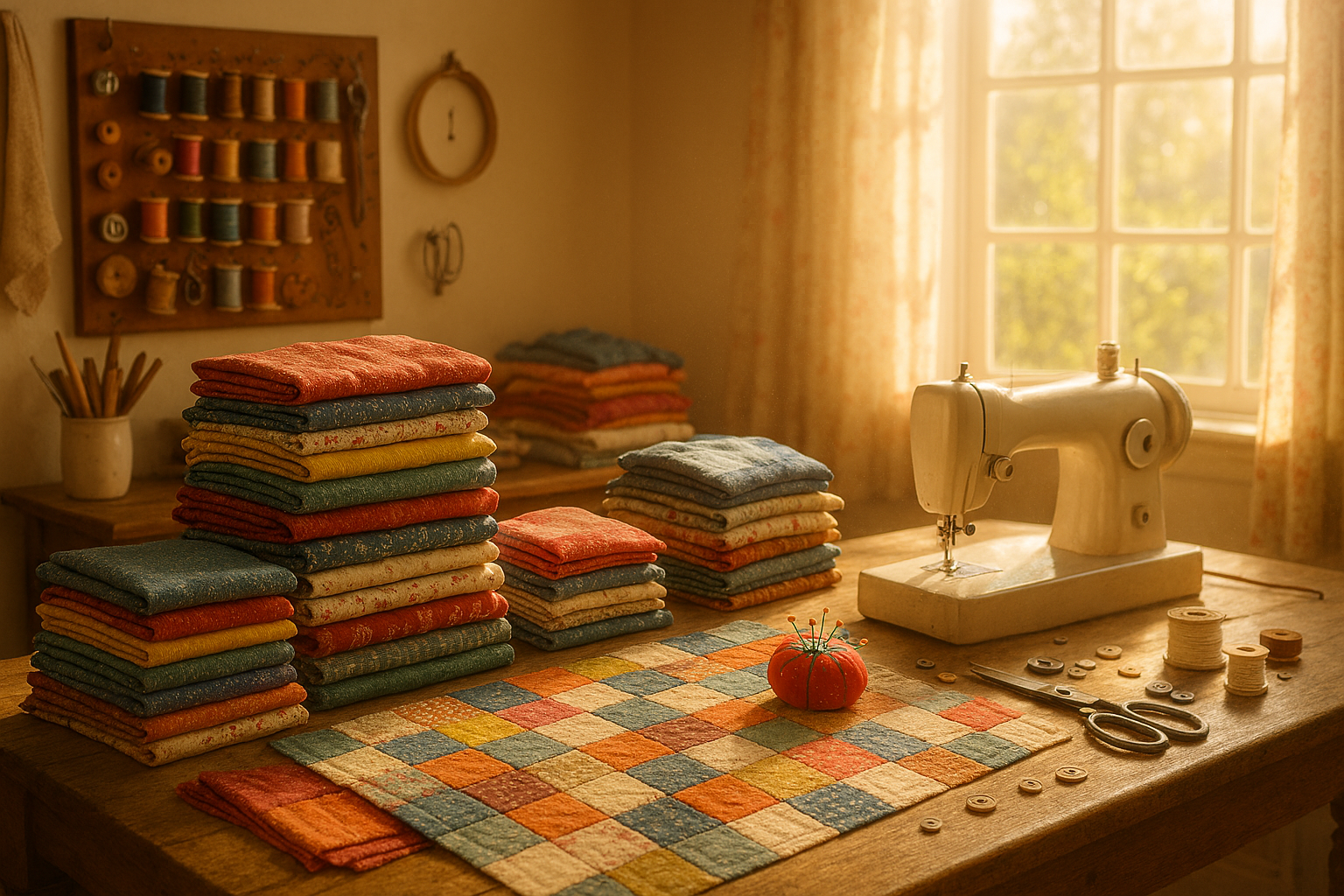
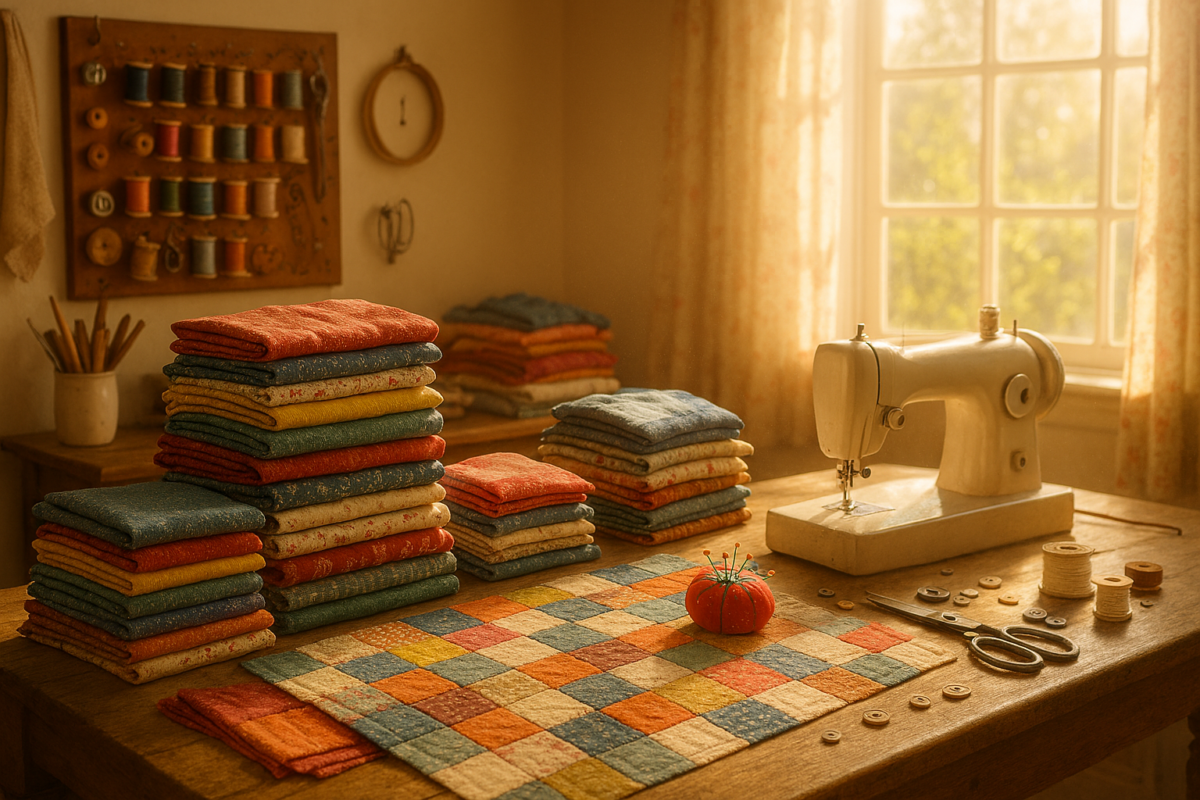
A cozy sewing room bathed in warm sunlight features a wooden table covered with neatly stacked colorful fabrics and a partially assembled patchwork quilt. A vintage sewing machine sits beside sewing notions like scissors, spools of thread, buttons, and a tomato-shaped pincushion. A pegboard on the wall holds more supplies, while light streams through a large window, casting a dreamy glow across the space.

There’s a quote from Anne Lamott that I return to often: “We stitch together quilts of meaning to keep us warm and safe, with whatever patches of beauty and utility we have on hand.” For African American quilters across generations, this truth runs deeper than metaphor. Our quilts have always been more than bedding. They’re living archives of history, creativity, resistance, and love.

Continue reading “African American Quilt Traditions and the Legend of the Underground Railroad Quilts”

Underground Railroad Quilt Patterns and Their Stories

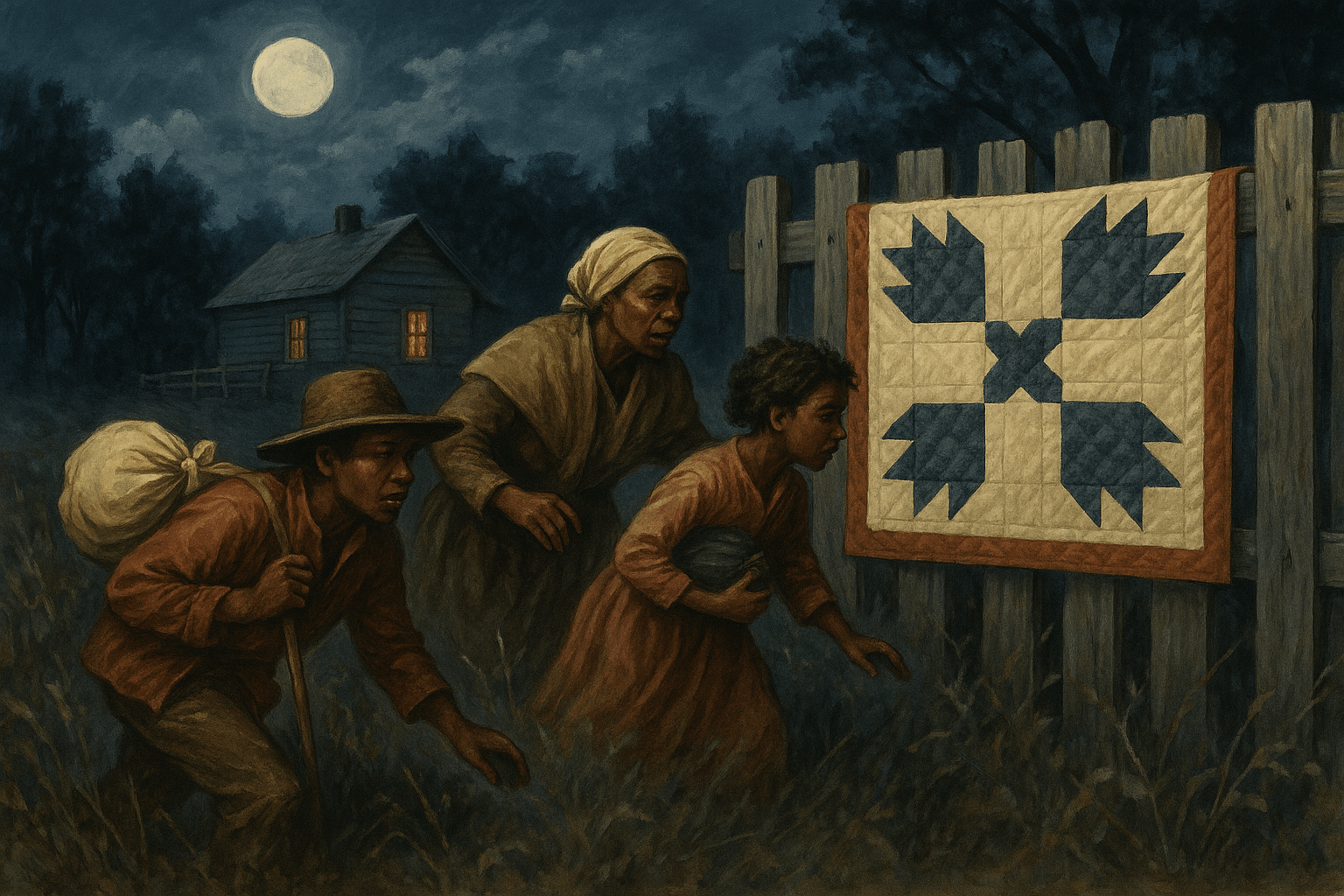
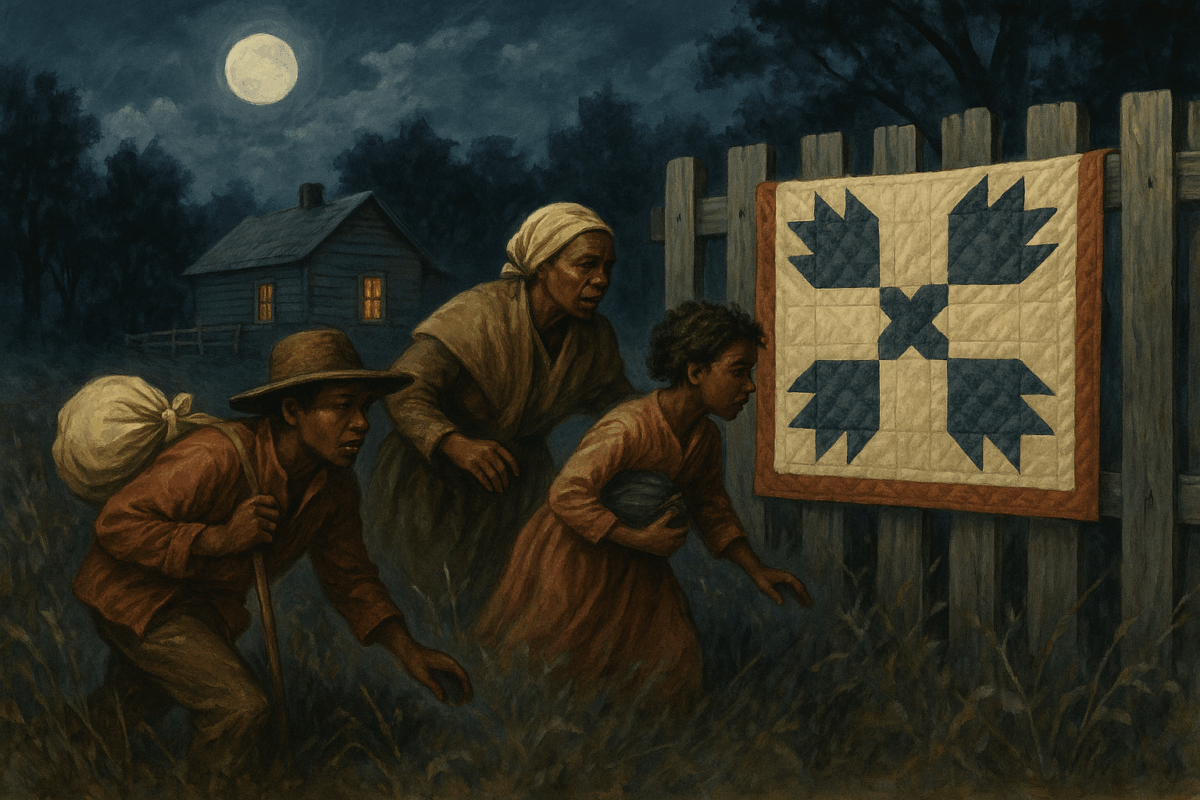
A moonlit painting shows three enslaved African Americans escaping through a field at night. A young man with a bundle, an older woman in a headscarf, and a girl clutching belongings crouch near a wooden fence where a Bear Paw quilt hangs, symbolically guiding them toward freedom. A farmhouse with glowing windows stands in the background under a full moon.

Quilts and the Underground Railroad stand at a pivotal intersection of craft, culture, and freedom. Many people have heard that specific quilt blocks carried secret messages that guided freedom seekers on their northward journey. The idea is compelling because it centers creativity and community in a story of resistance. It is also contested. What follows brings together what scholars can verify, what remains in the realm of legend, and the many real ways quilts and quilters intersected with antislavery work.

Continue reading “Underground Railroad Quilt Patterns and Their Stories”

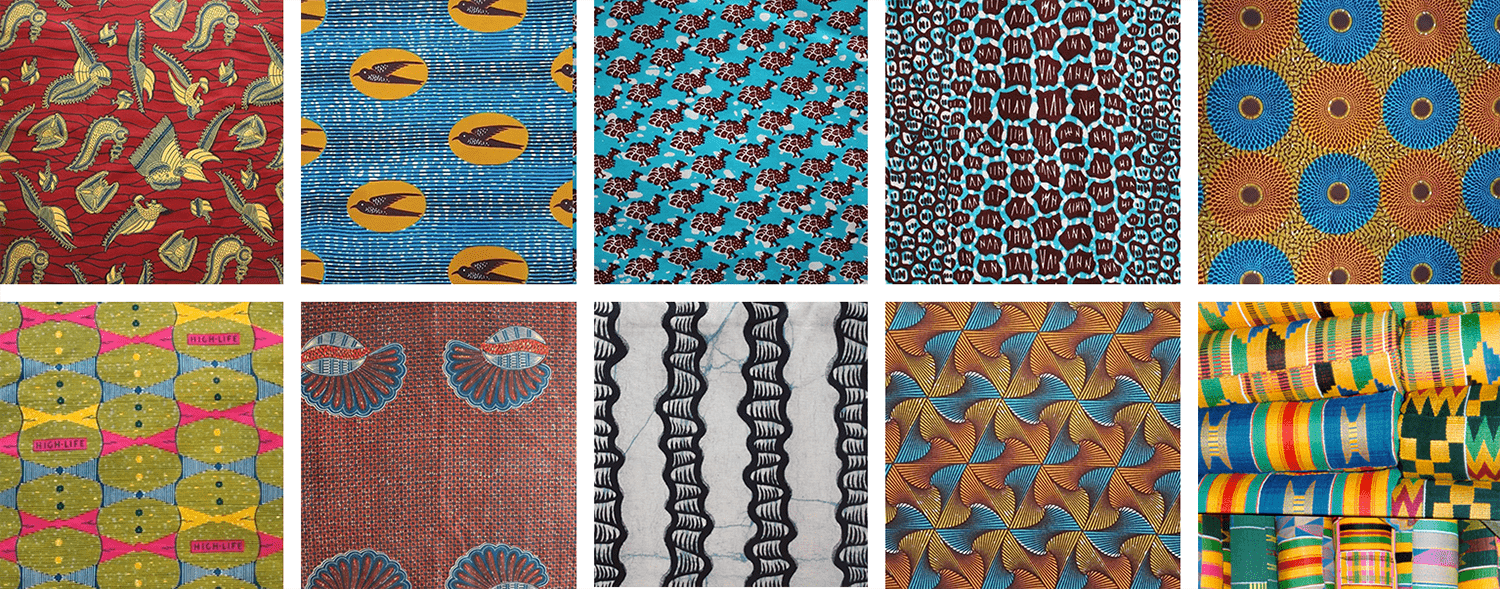
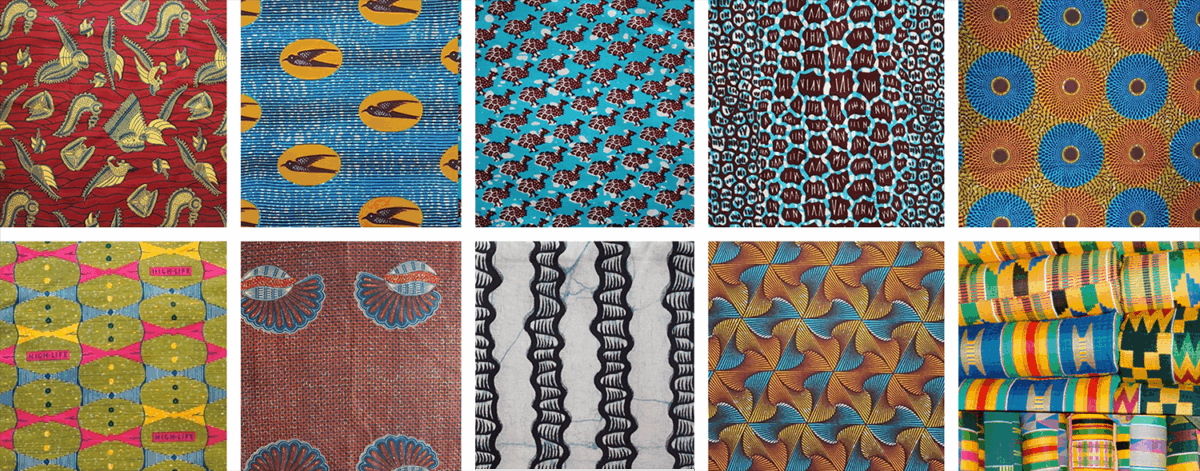
Ten Iconic Symbols in African Print Fabric

African Prints

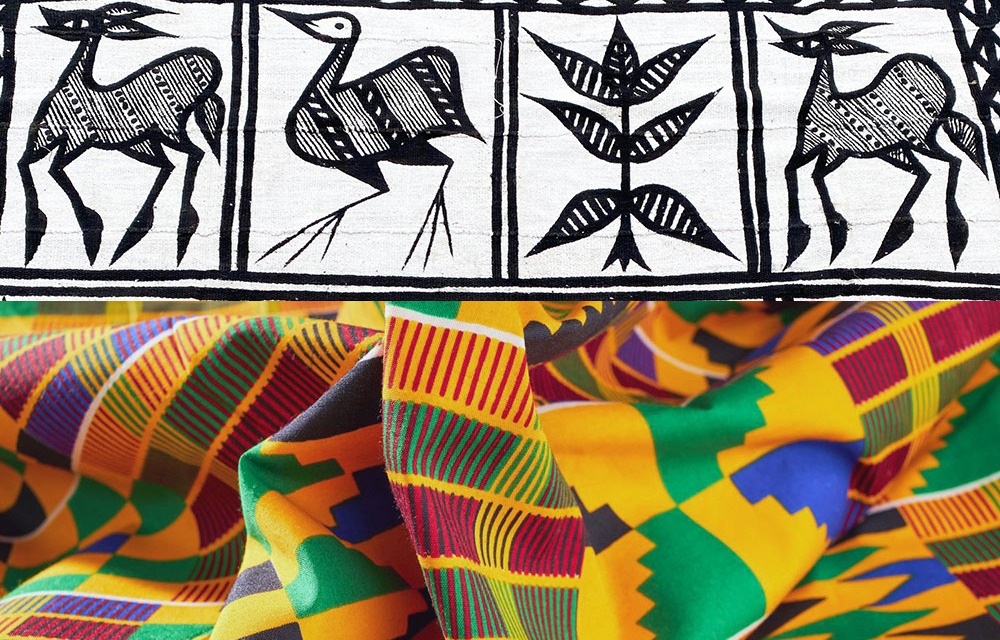
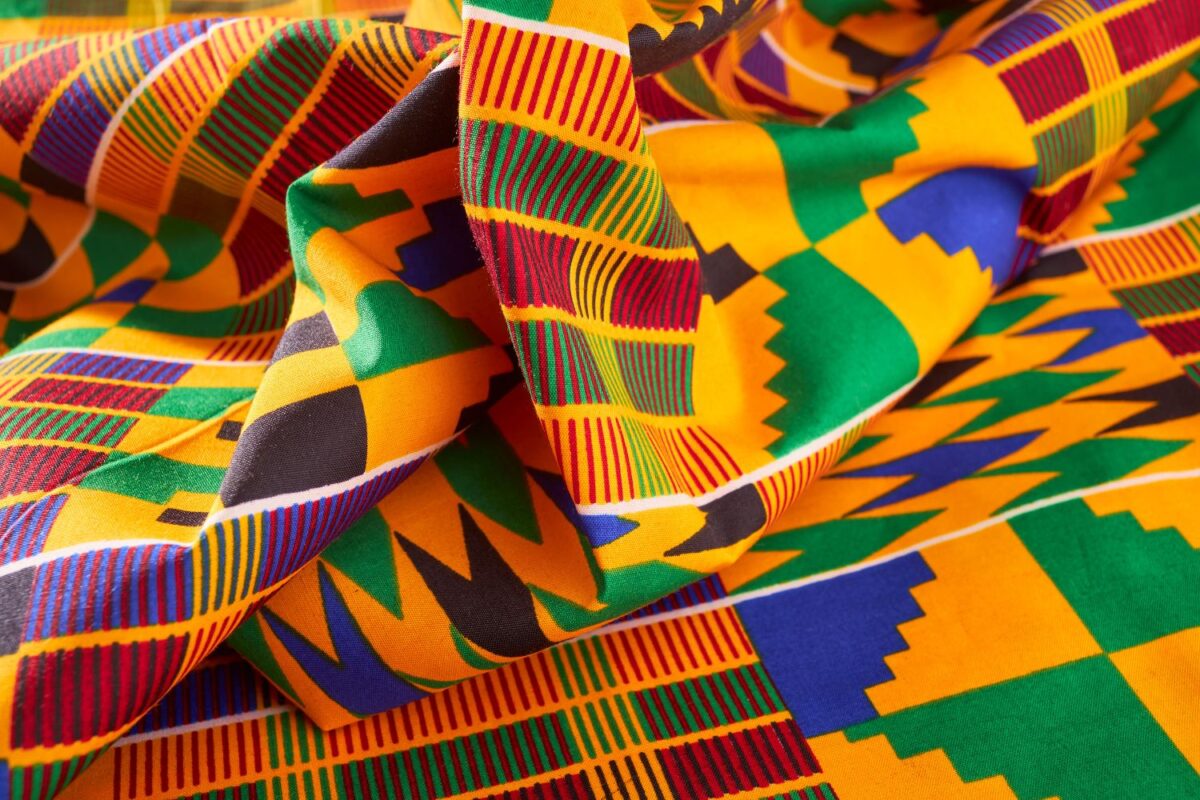
Ankara, also known as African wax prints, is a vibrant and colorful textile that originated in Indonesia and has become a staple in African fashion. These fabrics are typically made from 100% cotton and feature bold, intricate designs that reflect the culture and traditions of the West African people. Ankara is a powerful form of storytelling, and the symbols featured in the prints are deeply rooted in tradition. They carry messages about strength, unity, wisdom, and community. When I work with African print fabrics, I’m not just choosing colors and patterns, I’m honoring stories.

Continue reading “Ten Iconic Symbols in African Print Fabric”

How AI Is Changing Quilt Design

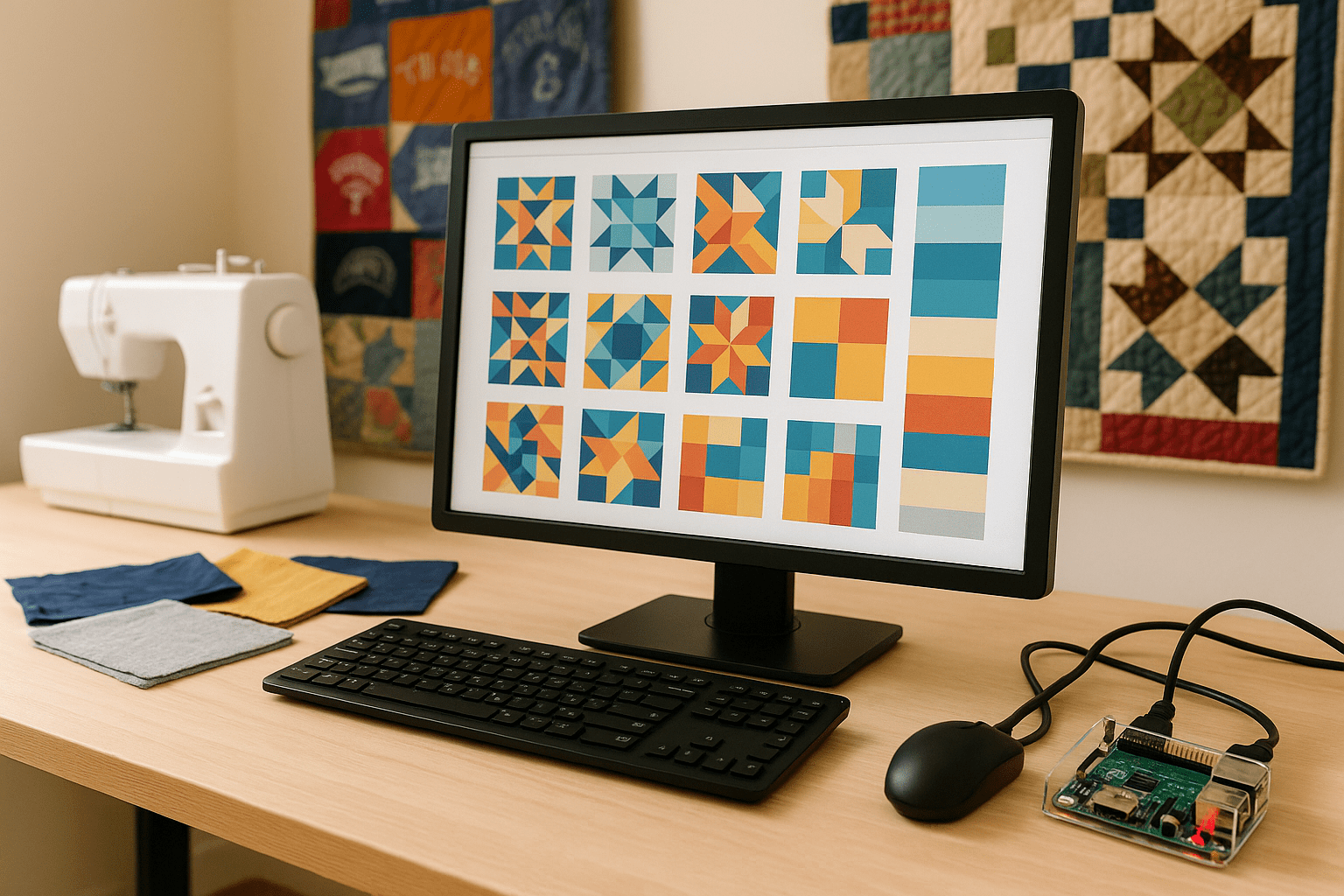
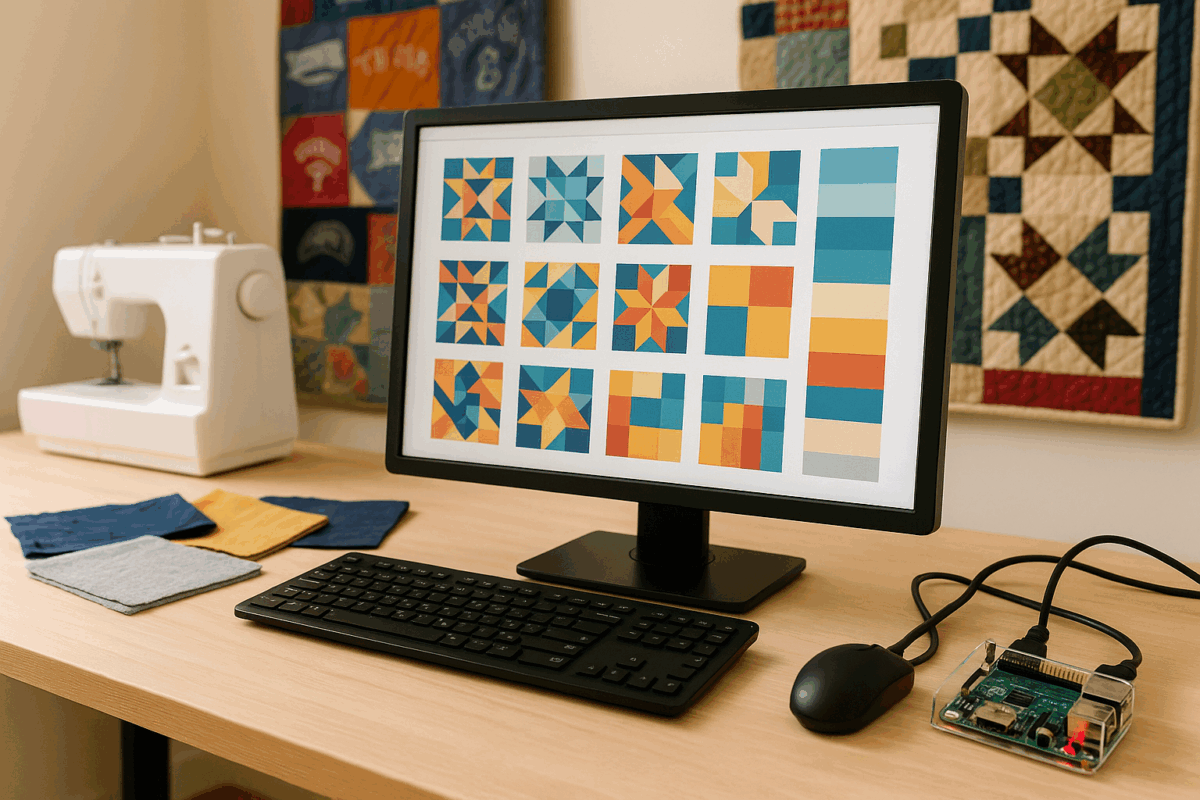
A digital photograph showcases a quilting and tech workspace. A computer monitor displays colorful quilt block designs, with a white sewing machine, fabric swatches, and a Raspberry Pi nearby. Finished quilts hang on the wall in the background.

Quiltmaking has long been an art form rooted in tradition, but today it is also evolving into a space for innovation. One of the most exciting developments in recent years is the role of artificial intelligence in quilt design. While quilting remains a profoundly personal and hands-on craft, AI is opening new doors for creativity, enabling quilters to visualize patterns, explore color palettes, and design with greater freedom than ever before.

Continue reading “How AI Is Changing Quilt Design”